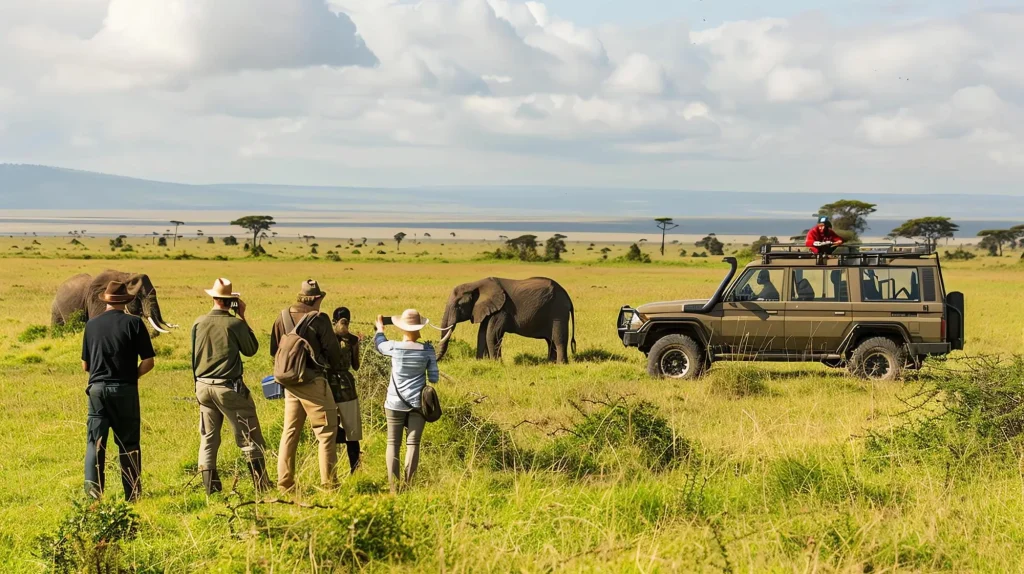
In 1970, Kenya was home to an estimated 167,000 elephants. By 1989, poaching had reduced that number to just 16,000. The ivory trade nearly erased these creatures from the landscape entirely. Today, Kenya’s elephant population has recovered to over 36,000, and tourism deserves significant credit for that turnaround.
This is not a feel good marketing story. It is a fundamental truth about conservation economics. When wildlife generates revenue, communities protect it. When tourism dollars flow into local economies, people choose preservation over poaching.
The Economics of Conservation
Protecting wilderness is expensive. Rangers need salaries. Fences require maintenance. Anti poaching units need equipment, training, and fuel. Governments in developing nations face competing priorities. Schools, hospitals, and infrastructure all demand funding.
Tourism provides a sustainable revenue stream that makes conservation financially viable. In Kenya, wildlife tourism contributes over one billion dollars annually to the economy. This money funds national parks, supports conservation NGOs, and demonstrates that living elephants are worth more than dead ones.
Community Conservancies: A New Model
Perhaps the most important development in African conservation has been the rise of community conservancies. These are areas where local communities retain ownership of their land while partnering with tourism operators and conservation organisations.
In northern Kenya, conservancies protect over 6 million acres of critical wildlife habitat. Communities receive direct income from tourism through jobs, lease fees, and revenue sharing. Poaching drops dramatically because locals become guardians rather than threats.
When you stay at a conservancy camp, your accommodation fee directly supports this model. The community benefits. Wildlife benefits. And you gain access to exclusive areas with exceptional game viewing and far fewer crowds.
Species Success Stories
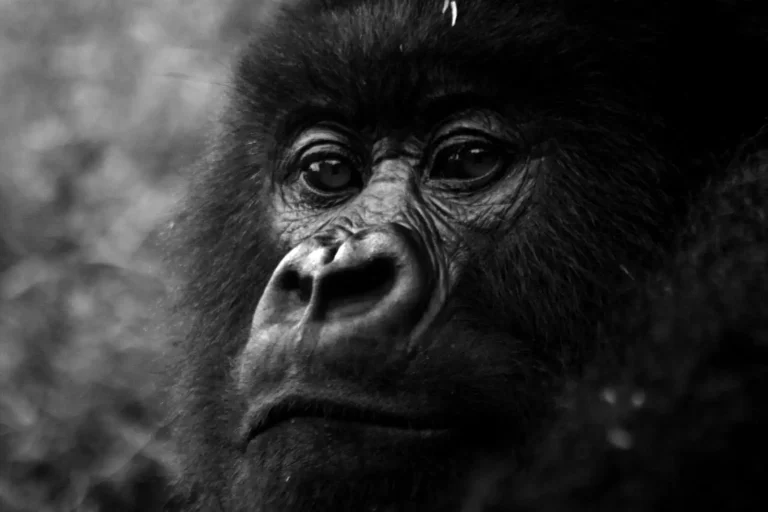
Black rhinos were nearly extinct in the 1990s. Intensive protection funded largely by tourism has brought them back from fewer than 2,500 to over 6,000 today. Mountain gorillas numbered just 254 in 1981. Thanks to conservation tourism, that population has grown to more than 1,000.
These recoveries required enormous resources. Tourism provided those resources while creating a constituency of international visitors who care about outcomes and hold governments accountable.
What Responsible Tourism Looks Like
Not all tourism delivers equal conservation impact. Responsible tourism means choosing operators and accommodations that actively contribute to protection efforts. It means respecting wildlife viewing guidelines that minimise stress on animals. It means spending money in ways that reach local communities.
Look for camps that employ local staff and source food from nearby farms. Ask about conservation partnerships and community programmes. Choose operators with transparent policies about where your money goes.
Small choices matter too. Buying crafts from community cooperatives rather than airport gift shops. Tipping fairly. Treating staff with respect. These interactions shape local perceptions of tourism and influence whether communities continue to support conservation.
The Challenges Ahead
Tourism alone cannot solve all conservation challenges. Climate change is altering habitats. Human populations are growing. Land conversion for agriculture continues. The pressure on Africa’s wild spaces is immense and increasing.
But tourism buys time. It generates the resources needed to address emerging threats. It creates political will for protection. And it builds a global community of people who have seen African wildlife firsthand and will advocate for its survival.
Your Role in This Story
When you book a safari, you become part of this larger effort. Your dollars fund rangers who protect elephants. Your visit demonstrates that conservation pays. Your experience creates another voice speaking up for wild places.
At Ongeri Expeditions, we take this responsibility seriously. We partner with conservancies and lodges that demonstrate genuine commitment to community and conservation. We design itineraries that maximise positive impact while delivering extraordinary experiences.
The Africa you dream of still exists. But its survival depends on people who choose to visit thoughtfully, spend consciously, and return home as advocates. Your safari is not just a holiday. It is an act of hope.